Lifeguard Simulator How to Rescue Drowning Swimmers
Spot fast, pick the right craft, beat the oxygen clock, finish with first aid.
Water rescue is the skill that defines Lifeguard Simulator. Shore tickets and litter runs matter for score, but a failed drowning is an immediate black mark on the shift. This guide covers spotting, choosing a response path, searching underwater, using the rescue tube, finishing with CPR or first aid, and surviving high-pressure Code Red yacht scenarios — all under the game’s roughly five-minute underwater oxygen limit.
If you still need tower basics or fuel habits, skim Getting Started first. Shore multitasking that feeds into rescues is covered in Beach patrol.
Spotting: eyes before legs
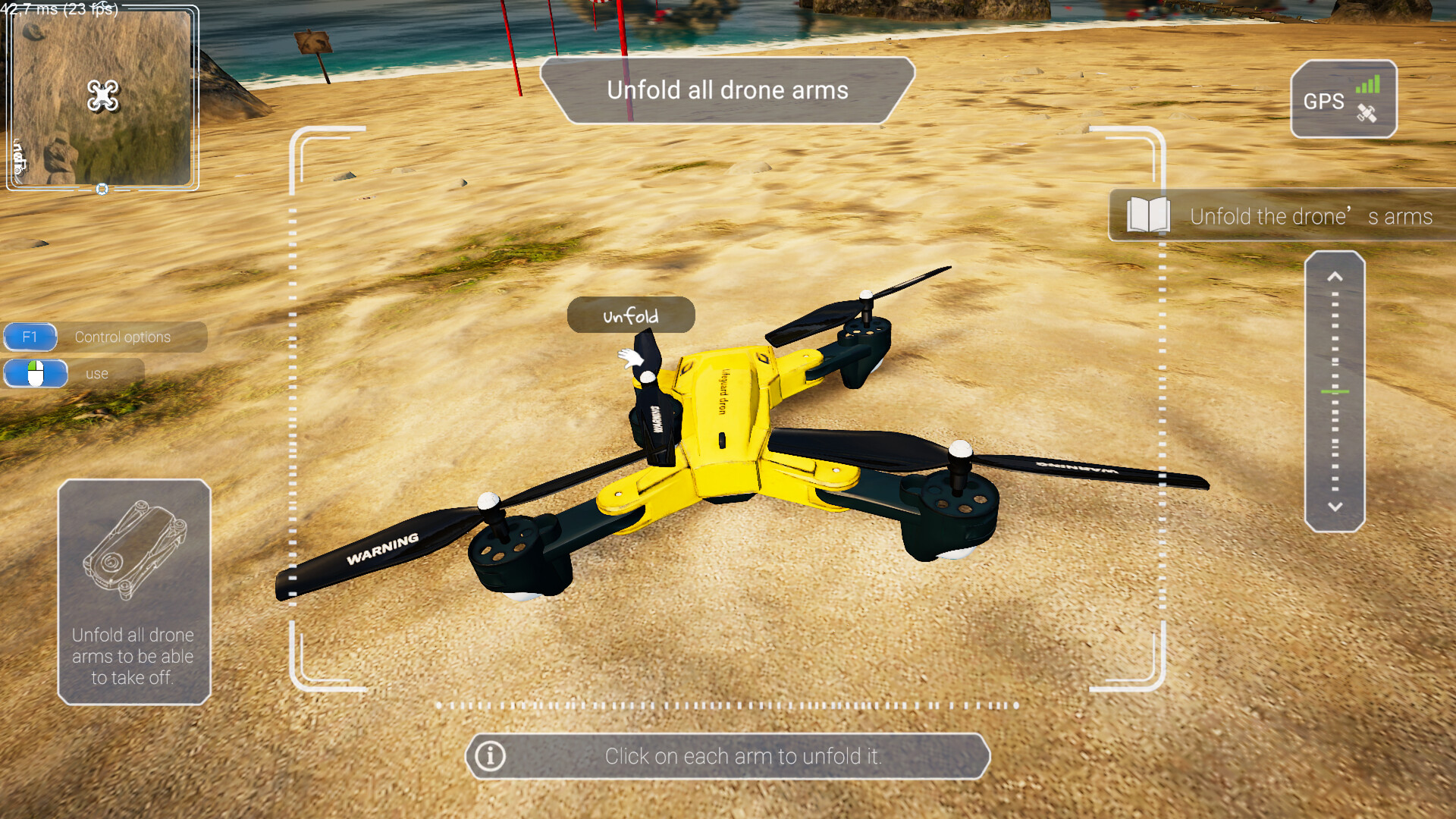
Rescues begin with information. Use the rescue tower cameras and binoculars to sweep swimming lanes, rip-prone zones, and areas near party noise where attention drops. Drones help when you need a moving overhead view without committing a boat. Top-down camera mode is excellent for confirming a splash location once you are already in motion.
Listen to HQ radio. Some calls name a zone; others only tell you someone is under. When audio and visual cues conflict, trust the last confirmed splash and move — debating on the tower deck burns oxygen you do not have.
Crowds hide victims. Unattended children and drunk partygoers create false motion on the surface; learn the difference between playful thrashing and the sudden quiet of a submerged body. Sharks add a second timer: you may need to clear or distract wildlife before a safe approach.
Response triangle: swim, jet ski, or boat
Pick transport with one question — how far is the victim, and how rough is the water?
- Swim — Fine for immediate shoreline collapses and shallow sandbars. Terrible for offshore sinks. You arrive exhausted and late.
- Jet ski — Best default for near-to-mid range. Fast mount, quick vectoring, easy tow back to the beach. Keep it fueled; an empty ski is a decorative fail.
- Motorboat — Better when distance, waves, or multiple victims stretch a jet ski’s comfort zone. Slower to deploy, higher payoff offshore.
- Helicopter — Reserved for the heaviest or most remote crises when ground craft cannot close the gap in time.
Vehicle roles and unlock value are ranked on the Vehicles tier list. Controls for mount/dismount and swim dive are listed under Controls. Whatever you choose, commit early. Switching craft mid-route is usually worse than riding a slightly suboptimal one that is already moving.
Underwater search and the oxygen clock
Once on scene, locate the body fast. Visibility, depth, and panic animations can hide victims under the craft or against the bottom. Dive with a plan: circle the last known surface point, then expand. The game’s pressure comes from the oxygen timer — victims lasting on the order of five minutes without air. Your personal dive stamina matters too; surface briefly if you are about to black out before the victim does.
Do not waste dive time on scenic exploration. Grab, secure, and ascend. If a shark or debris interferes, create space first (splash, diversion, or reposition) rather than wrestling in place.
Rescue tube, tow, and first aid
The rescue tube (and related flotation assists) turns a dead-weight tow into a controllable return. Secure the victim before long swims; dragging an unsecured body against current is how rescues flip into double casualties. Aim for the nearest safe beach or dock, not your favorite tower ladder if it adds minutes.
On shore or deck, complete CPR / first aid prompts carefully. Rushing inputs can fail the revive even after a perfect swim. Stay until the victim stabilizes or HQ clears you — abandoning a half-revived swimmer to chase a litter ticket is a classic score trap.
Code Red and yacht scenarios
Code Red events — including yacht-centered crises — compress everything above into a louder, farther, multi-step emergency. Expect longer transit, more radio chatter, and possible story flavor from the game’s criminal intrigue beneath the waves. Treat them as full-commitment ops:
- Drop non-critical shore tasks immediately.
- Take the fastest craft that can finish the job (often boat or helicopter, not a casual swim).
- Confirm victim count — yachts can hide more than one person in trouble.
- Stabilize on a stable deck or beach before worrying about evidence or side objectives.
- Only then reconnect with remaining day duties.
These set pieces are where Early Access’s narrative thread peeks through the sim loop. Survive the timer first; investigate second.
Efficiency habits that save lives
- Pre-position craft near busy water after morning tower checks.
- Refuel after every major run so the next Code Red does not start on fumes.
- Keep a mental map of swim zones vs boat channels so you do not beach a motorboat in ankle-deep water.
- Abort bad approaches — if you overshoot, circle wide instead of reversing into the victim.
- Reset the loop after each save: fuel, supplies, quick tower glance, then resume Beach patrol chores.
For how rescues fit into the ten scripted days and the day-11 random loop, see the Day walkthrough. Broader EA scope sits in the Early Access overview. Return to the Guides Hub for the full tutorial list.
Master the boring parts of rescue — spotting, craft choice, and oxygen discipline — and the dramatic yacht moments become readable instead of chaotic.
Frequently Asked Questions
Quick answers to the most common questions.
When should I swim instead of taking a jet ski?
Swim only for immediate shoreline or shallow collapses. For anything farther out, a fueled jet ski or boat beats swimming against the oxygen clock.
How long do victims survive underwater?
Plan around roughly five minutes without oxygen. Treat that window as hard — delay from the tower or a wrong craft choice often decides the outcome.
What is a Code Red in Lifeguard Simulator?
A high-priority emergency interrupt, including yacht scenarios, that should override shore tickets and litter duties until victims are secure.
Do I need the rescue tube every time?
Use flotation assists whenever you face a long tow or rough water. Securing the victim early prevents failed returns even after a fast arrive.
Can drones rescue people directly?
Drones are primarily for spotting and scouting. Bring a jet ski, boat, or helicopter when someone is actually under.